




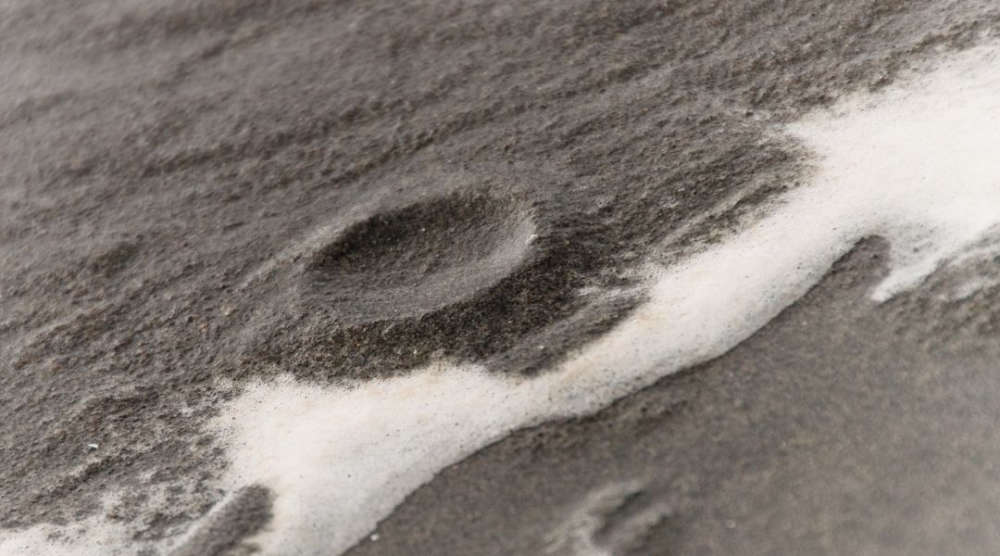
Razor clam diggers will have to wait a little longer before heading to Washington’s coastal beaches.
The Washington Department of Fish and Wildlife (WDFW) has postponed the opening of the 2026-2027 recreational razor clam season due to rising levels of domoic acid, a naturally occurring marine toxin that can make shellfish unsafe to eat.
The season had been scheduled to begin Oct. 9 and run through Oct. 14 on four coastal beaches: Long Beach, Twin Harbors, Copalis and Mocrocks. WDFW said the opening is now postponed until further notice.
Recent testing shows domoic acid levels are increasing, with some samples approaching or exceeding the health guidelines established by the Washington State Department of Health.
“A domoic acid toxin bloom is working its way up the coast,” said Bryce Blumenthal, a WDFW coastal shellfish biologist. “Those conditions are now beginning to break through north of Grays Harbor Bay, so we are acting out of an abundance of caution and putting a pause on opening all beaches.”
What is domoic acid?
Domoic acid is produced naturally by certain types of marine algae. When shellfish consume the algae, the toxin can accumulate in their tissues. Eating shellfish containing high levels of domoic acid can cause serious illness and, in severe cases, can be fatal.
Before a beach can be opened for recreational razor clam digging, the Department of Health requires two toxin tests taken seven to 10 days apart, with domoic acid levels remaining below the established safety guideline.
WDFW crews will continue collecting razor clam samples and monitoring toxin levels along the coast. If testing shows conditions have returned to safe levels, the department will announce new digging opportunities.
Another season affected by marine toxins
Domoic acid closures aren't new to Washington's razor clam fishery.
The 2020-2021 season ended early because of domoic acid concerns. The 2022-2023 season experienced closures during late fall and winter, while the 2023-2024 season saw a shorter closure at Mocrocks early in the season.
In contrast, razor clam digging remained open throughout the 2021-2022, 2024-2025 and 2025-2026 seasons.
WDFW had tentatively scheduled approximately 40 days of digging between Oct. 9 and Dec. 27 this season, with different opening dates planned for Long Beach, Twin Harbors, Copalis and Mocrocks.
Fewer clams expected on some beaches
Even after toxin levels return to safe levels, diggers could see fewer opportunities on some beaches this season.
WDFW's summer 2026 stock assessment found that razor clam populations on Copalis and Mocrocks are lower than they have been in recent years. Populations at Twin Harbors and Long Beach, however, remain above average.
Razor clam populations naturally fluctuate from year to year based on ocean conditions. WDFW sets the allowable harvest based on the size of the population on each beach.
That means diggers should expect fewer digging days at Copalis and Mocrocks once those beaches are eventually cleared to open.
For now, there is no new opening date.
WDFW says it will continue testing razor clams and will announce future digging opportunities once marine toxin levels meet health and safety requirements.
For current information on razor clam openings and domoic acid levels, visit the Washington Department of Fish and Wildlife razor clam information page and the Washington State Department of Health recreational shellfish page.
 Search Continues For Missing Elma Man
 Pacific County Voters Ballots Coming Next Week
 Hoquiam High School Seniors Getting Free Yearbook